Recent Meteorite Strikes and Two Objects in the Constellation Ophiuchus
Examining the 4.56-billion-year-old chondrite meteorite that crashed through a New Jersey roof, alongside Kepler's Supernova (SN 1604) and JWST's breakthrough atmospheric exploration of sub-Neptune Gliese 1214 b in the constellation Ophiuchus.
Cameron Hoppe
Published May 14, 2023 • Post #16
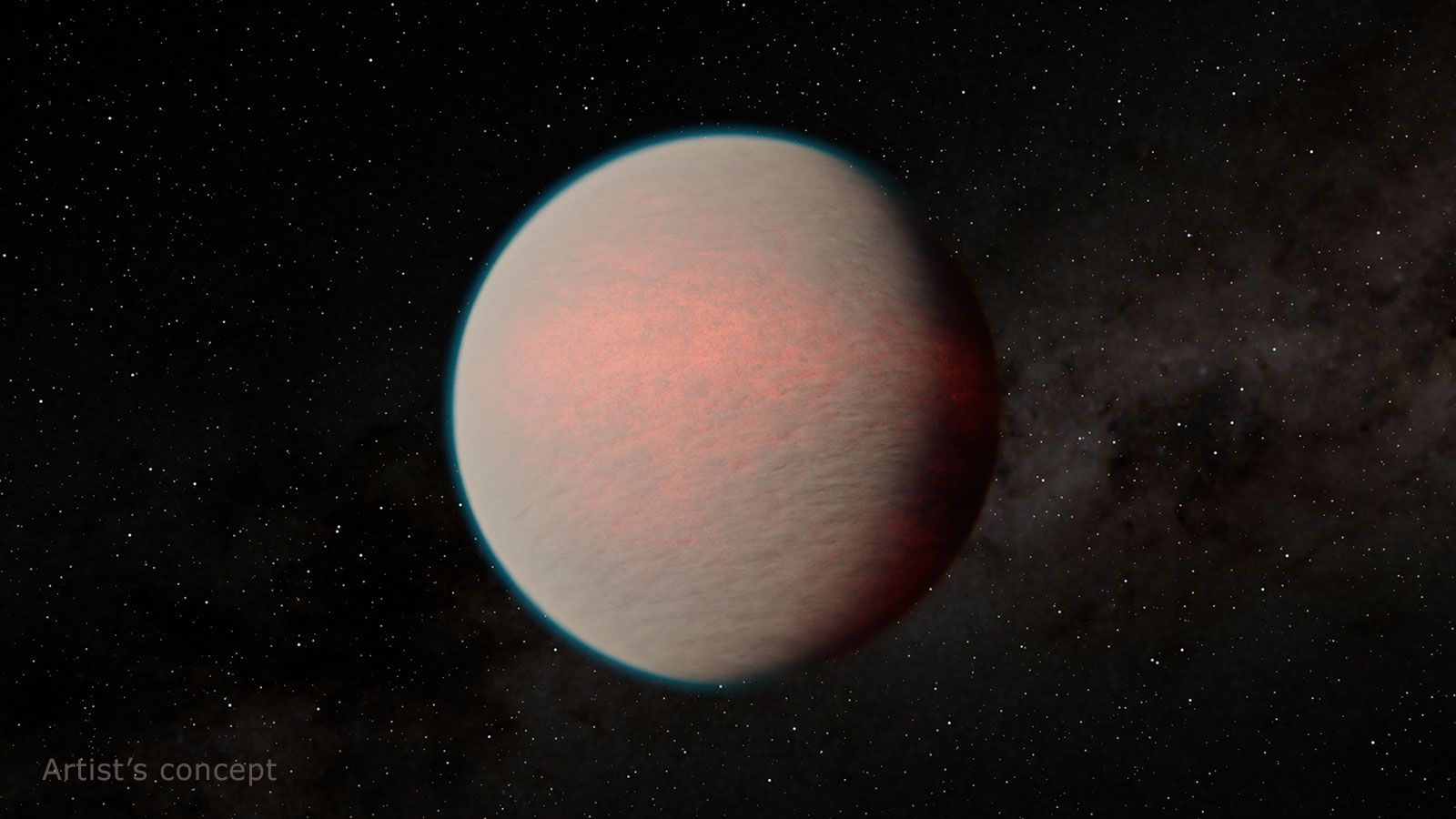
Meteorite Strike in New Jersey and the Atmosphere Around Exoplanet Gliese 1214 b
May 14, 2023 Struggle Stream exploring the Hopewell Township meteorite impact, chondrite radiometric chronology, historical human meteorite strikes, Kepler's Supernova (SN 1604), and JWST MIRI phase curves of Gliese 1214 b.
May 14, 2023 Presentation Show Notes
Authentic 2-slide presentation deck covering the Hopewell NJ meteorite, historical strikes, red sea urchin longevity, Kepler's Supernova, and Gliese 1214 b.
5-14-2023-meteorites-and-objects-in-ophiuchus-show-notes.pdf
Original broadcast presentation artifact • 563 KB
Gliese 1214 b Phase Curve & Meteorite Entry Simulator
Switch between two physical models: (1) JWST MIRI thermal phase curves of the warm sub-Neptune exoplanet Gliese 1214 b in Ophiuchus (Kempton et al., Nature 2023), and (2) Atmospheric deceleration, ablation, and dark flight terminal ballistics of the Hopewell chondrite meteorite.
GLIESE 1214 B ATMOSPHERIC ARCHETYPES (JWST MIRI)
Explore empirical spectroscopic phase curve scenarios from Kempton et al. (Nature 2023).
Primary Field Studies, Registry Data & Astronomical Catalogs
- [1] Kempton, E. M.-R., et al. (2023). "A reflective, metal-rich atmosphere for the mini-Neptune GJ 1214b from its JWST phase curve." Nature, 620(7972), 67–71. doi:10.1038/s41586-023-06230-1.
- [2] Byrne, N., et al. / The College of New Jersey (2023). "Electron Microprobe and Petrographic Classification of the May 8, 2023 Hopewell, New Jersey LL-Chondrite." Meteoritical Society / Lunar and Planetary Science Conference. Report Link.
- [3] Reynolds, S. P., et al. (2007). "A Deep Chandra Observation of Kepler's Supernova Remnant (SN 1604): A Type Ia with Iron-Rich Ejecta in the Constellation Ophiuchus." The Astrophysical Journal, 668(2), L135. doi:10.1086/522830.
- [4] Ebert, T. A., & Southon, J. R. (2003). "Red sea urchins (Strongylocentrotus franciscanus) can live over 100 years: confirmation with carbon-14 bomb radiocarbon." Fishery Bulletin, 101(4), 915–922. NOAA Bulletin PDF.
The Monthly Dispatch: Signal Over Noise.
No daily email spam. One to two digests per month exploring scientific paradoxes, astrophysics, and discoveries.