The Galactic Magnetic Fields of 9io9
Using gravitational lensing and ALMA dust polarimetry on distant galaxy 9io9 (z = 2.6), astronomers mapped a coherent 16,000+ light-year magnetic field just 2.5 billion years after the Big Bang.
“Equipped with his five senses, man explores the universe around him and calls the adventure Science.” — Edwin Hubble
Using gravitational lensing and ALMA dust polarimetry on distant galaxy 9io9 (z = 2.6), astronomers mapped a coherent 16,000+ light-year magnetic field just 2.5 billion years after the Big Bang.
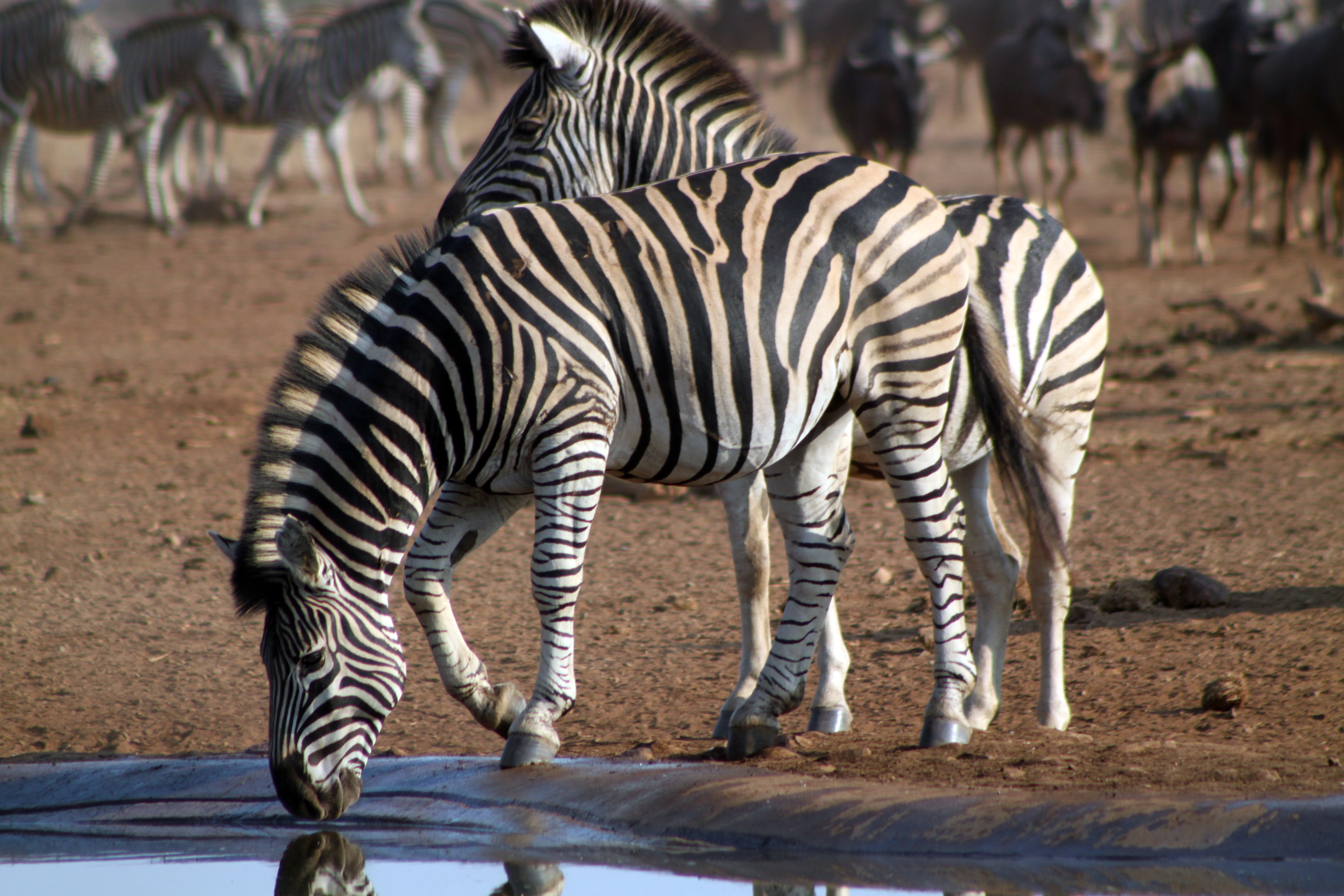
Hidden camera-trap speaker trials in Greater Kruger National Park revealed 95% of savanna mammal species flee calm human conversation twice as often and 40% faster than lion roars.
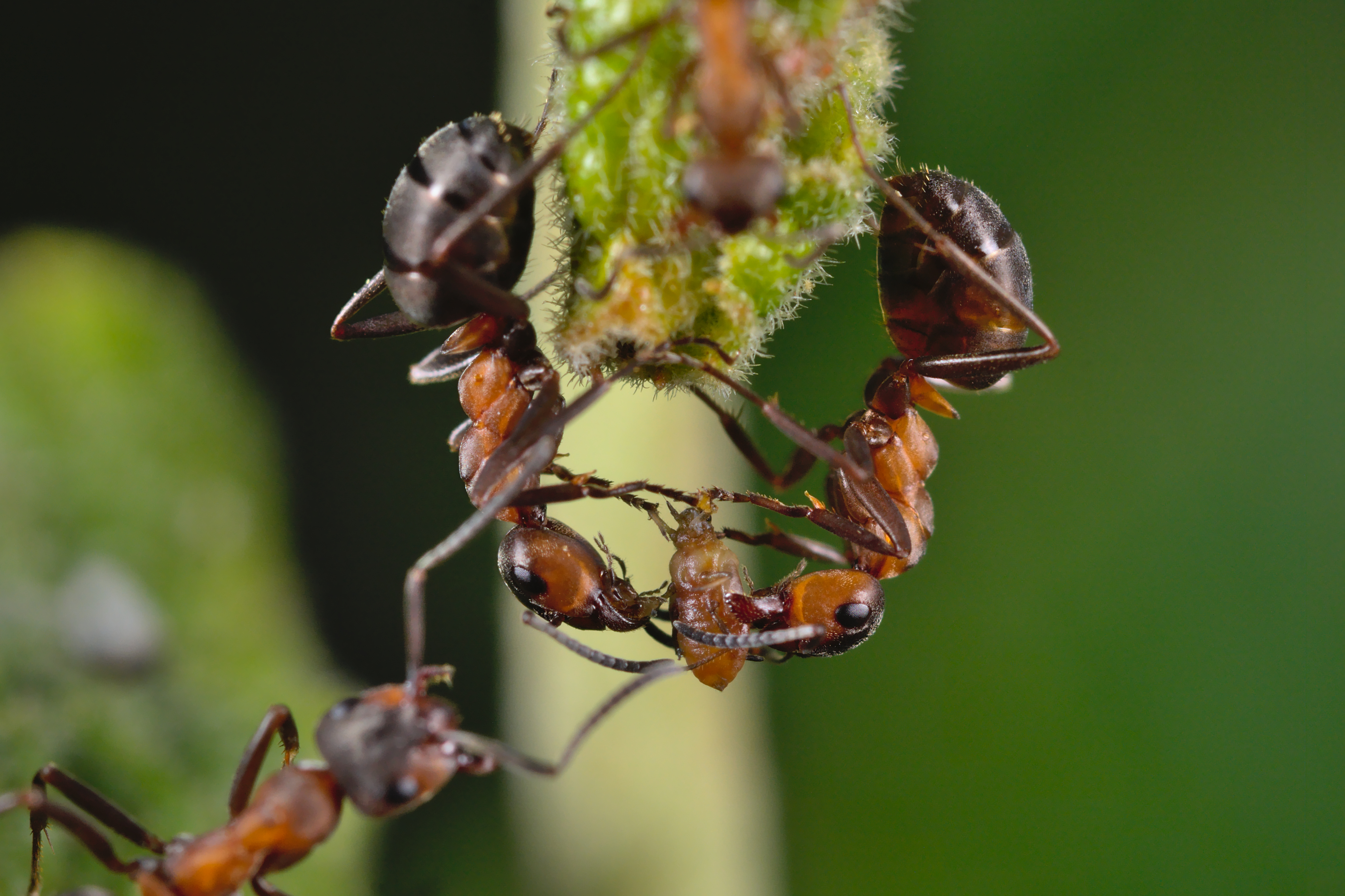
How a single lancet liver fluke encysted in the brain of Danish European red wood ants flips temperature and humidity into an on/off mandibular clamp switch on forest grass tips.
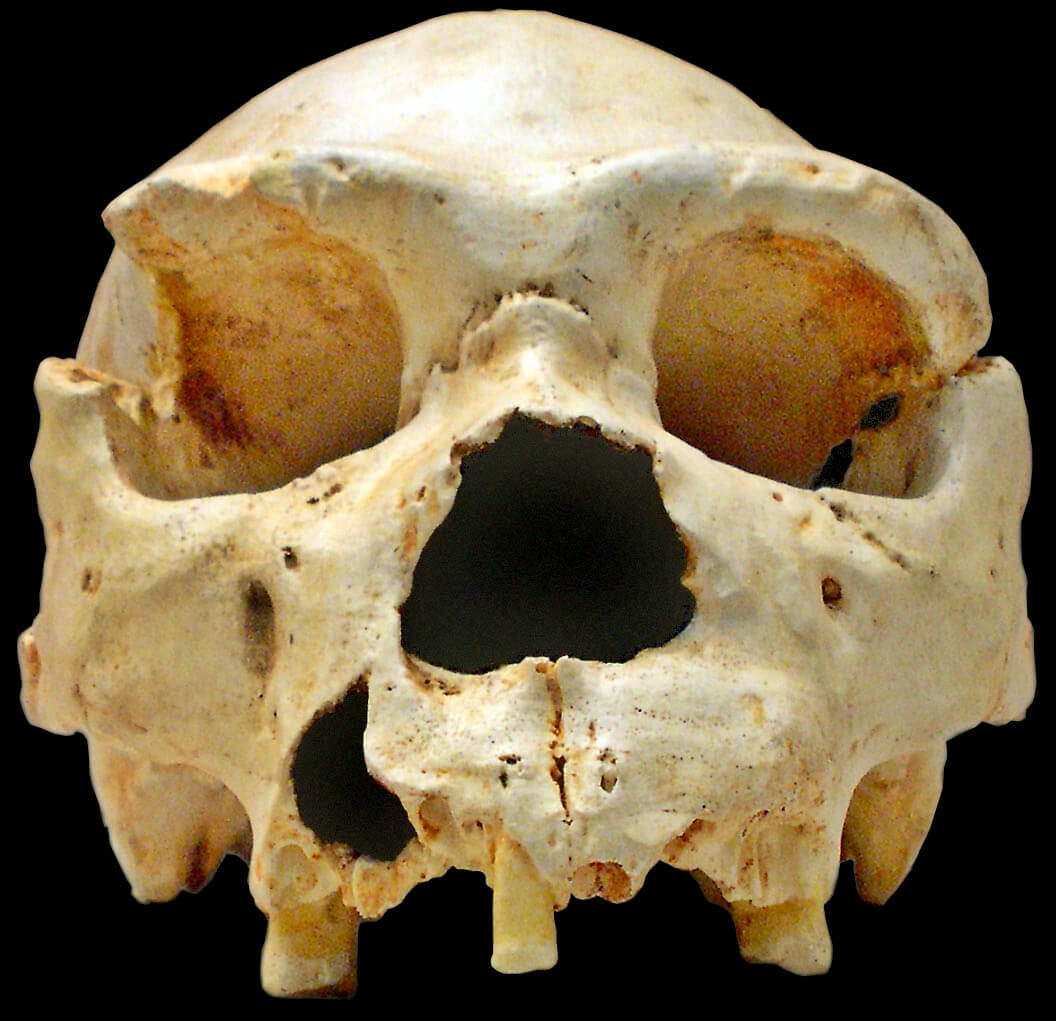
Combining Milankovitch orbital climate shifts and the FitCoal coalescent algorithm across 50 human populations reveals a 117,000-year bottleneck of ~1,280 ancestors around 0.9 million years ago.
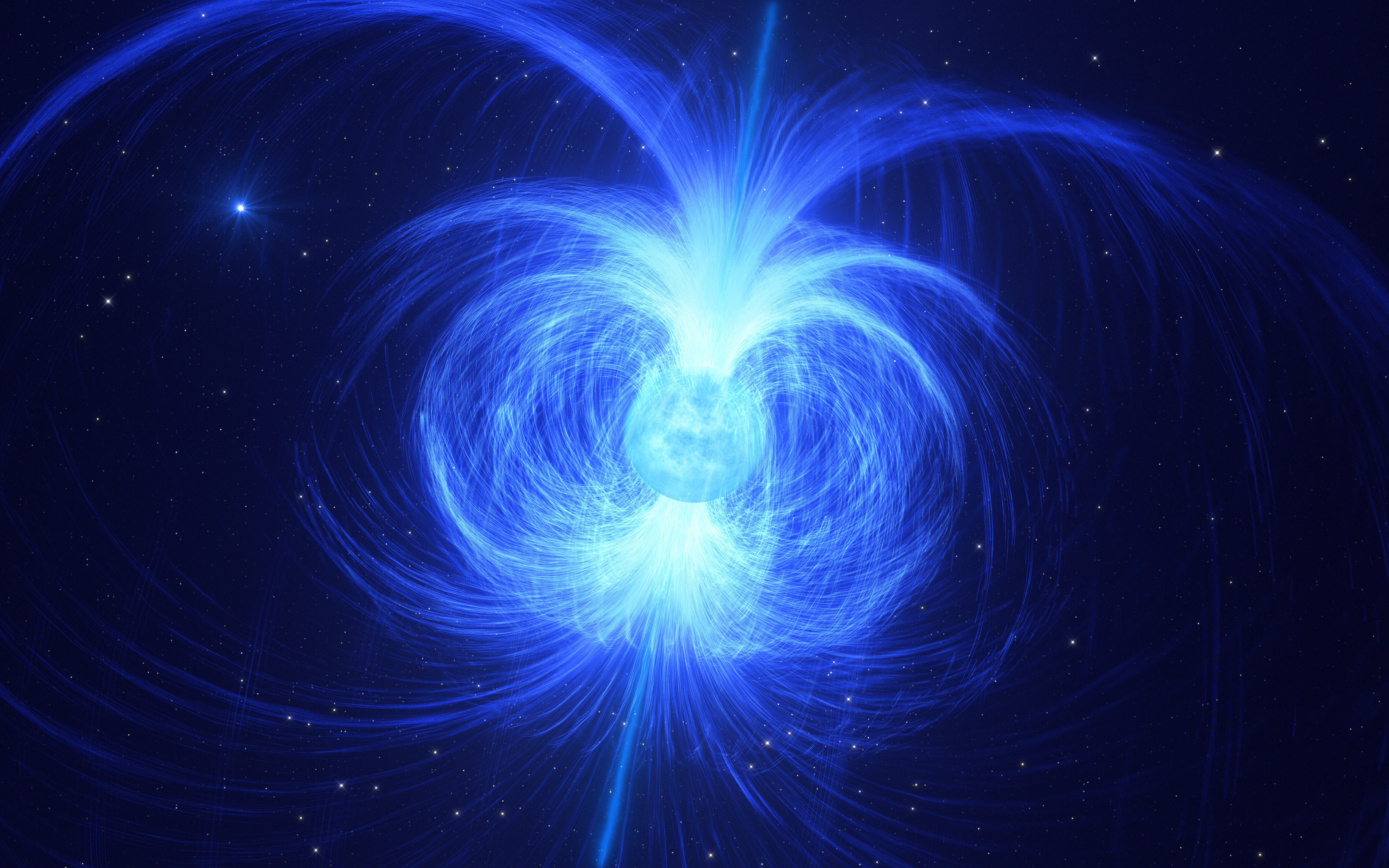
A 24-year spectroscopic study of binary star system HD 45166 uncovered a 43-kilogauss magnetic field via Zeeman line splitting—revealing a merged subdwarf origin primed for core collapse into a ~10¹⁰ Tesla magnetar.
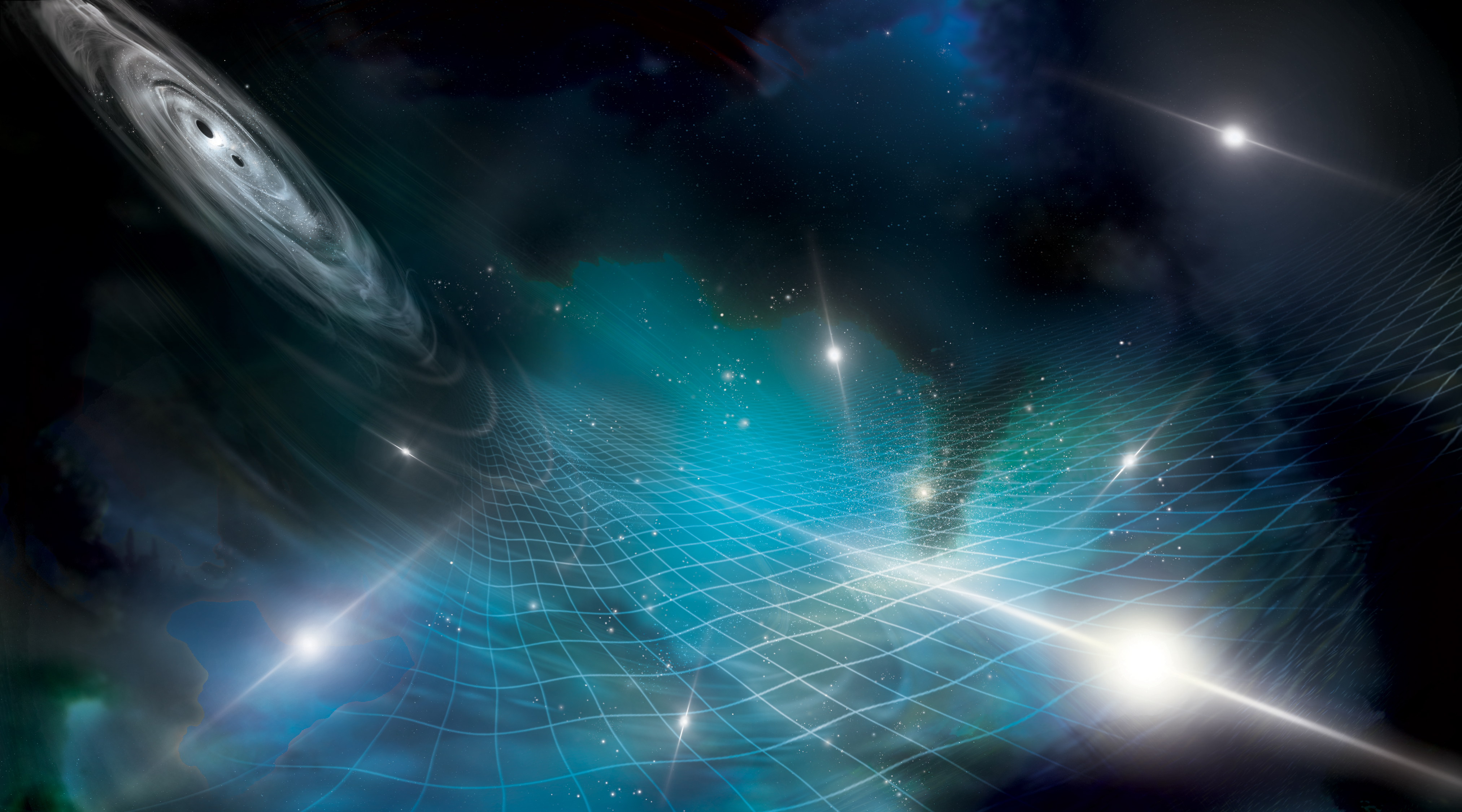
Using 15 years of NANOGrav radio timing across millisecond pulsars, astronomers mapped correlated spacetime stretching from billion-solar-mass binary black holes and tested new physics cosmologies.
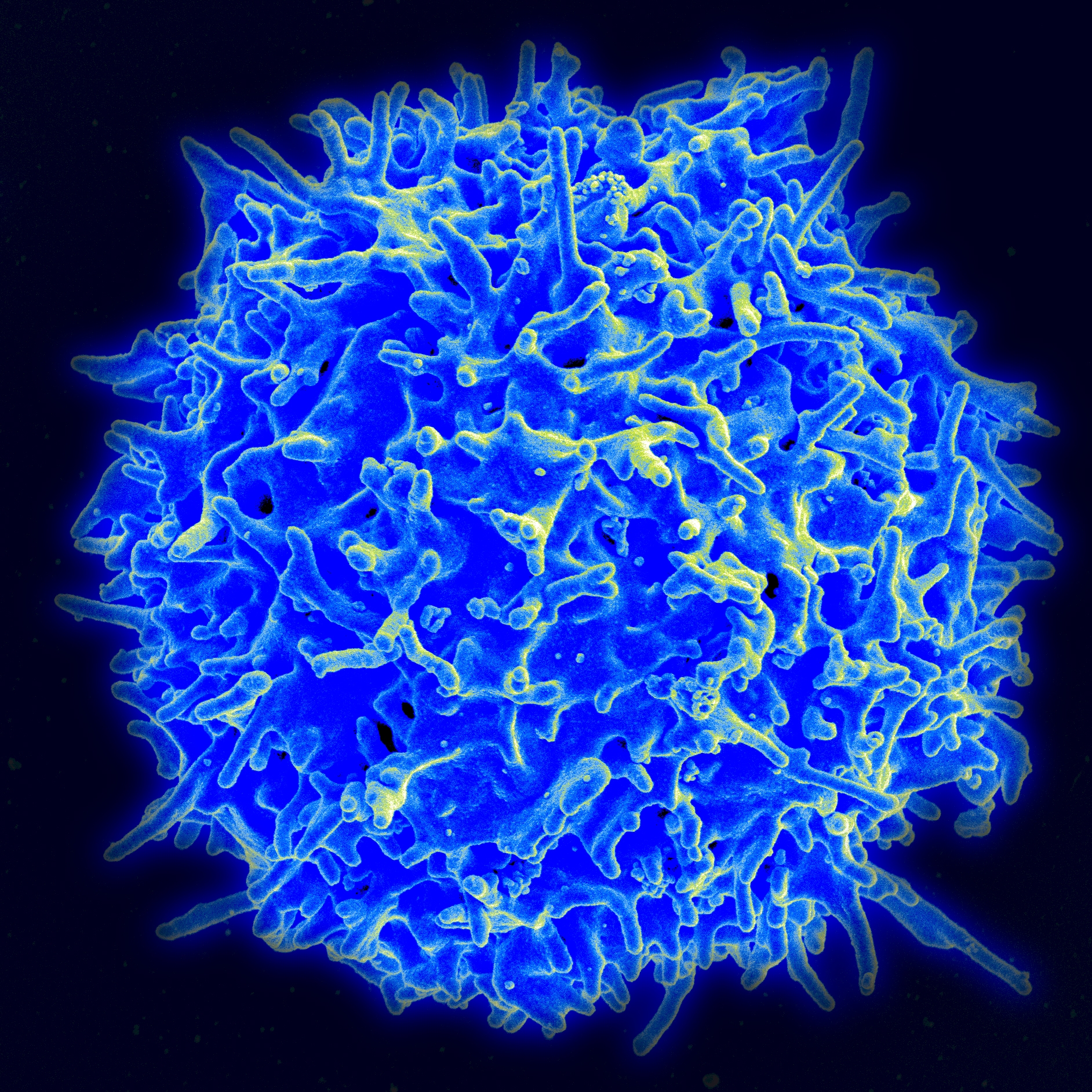
Building on the landmark 2019 TRIIM pilot—where rhGH, DHEA, and metformin regenerated thymic tissue and shifted epigenetic age—the Phase 2 TRIIM-X extension expands to a broader cohort.
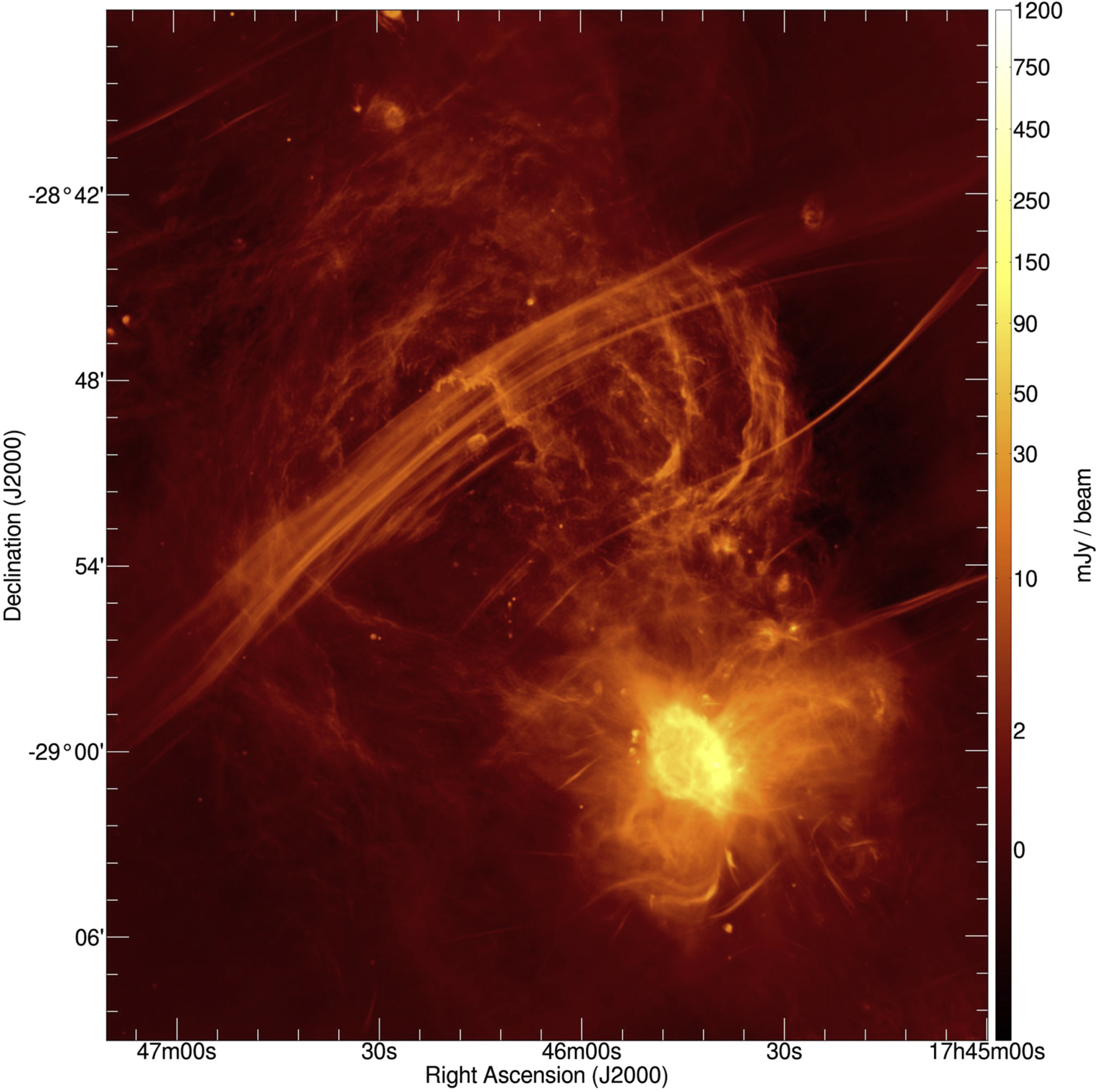
MeerKAT radio surveys around Sagittarius A* resolve long vertical magnetic threads (>66″) alongside a radial blue-shifted outflow cone—linking galactic nuclei outflows to Abell 194 cluster E-filaments.
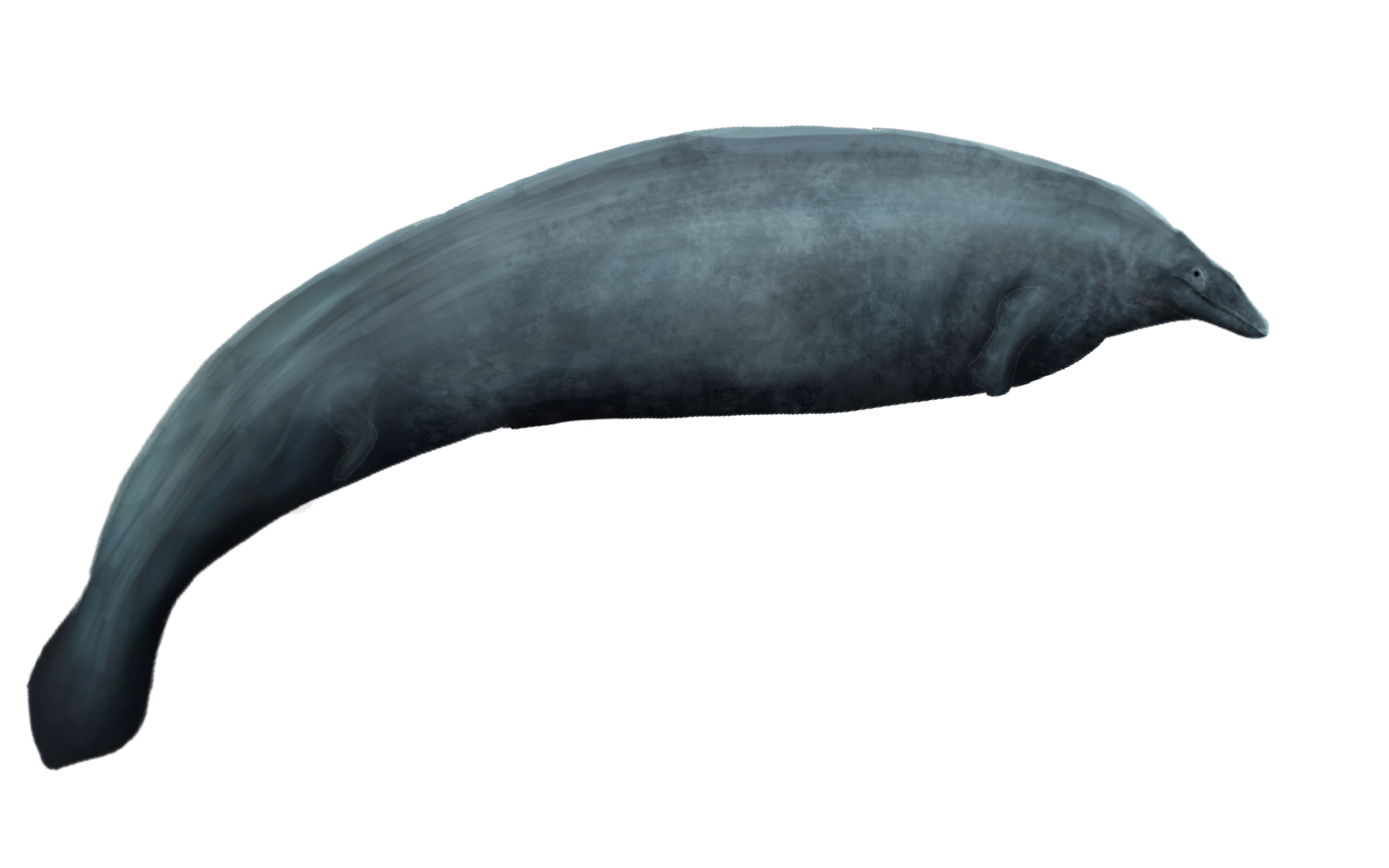
An Eocene basilosaurid unearthed near Paracas possessed solid, hyper-dense bones weighing 5.3–7.6 metric tons—acting as shallow-water ballast while sparking debate over its true body mass.
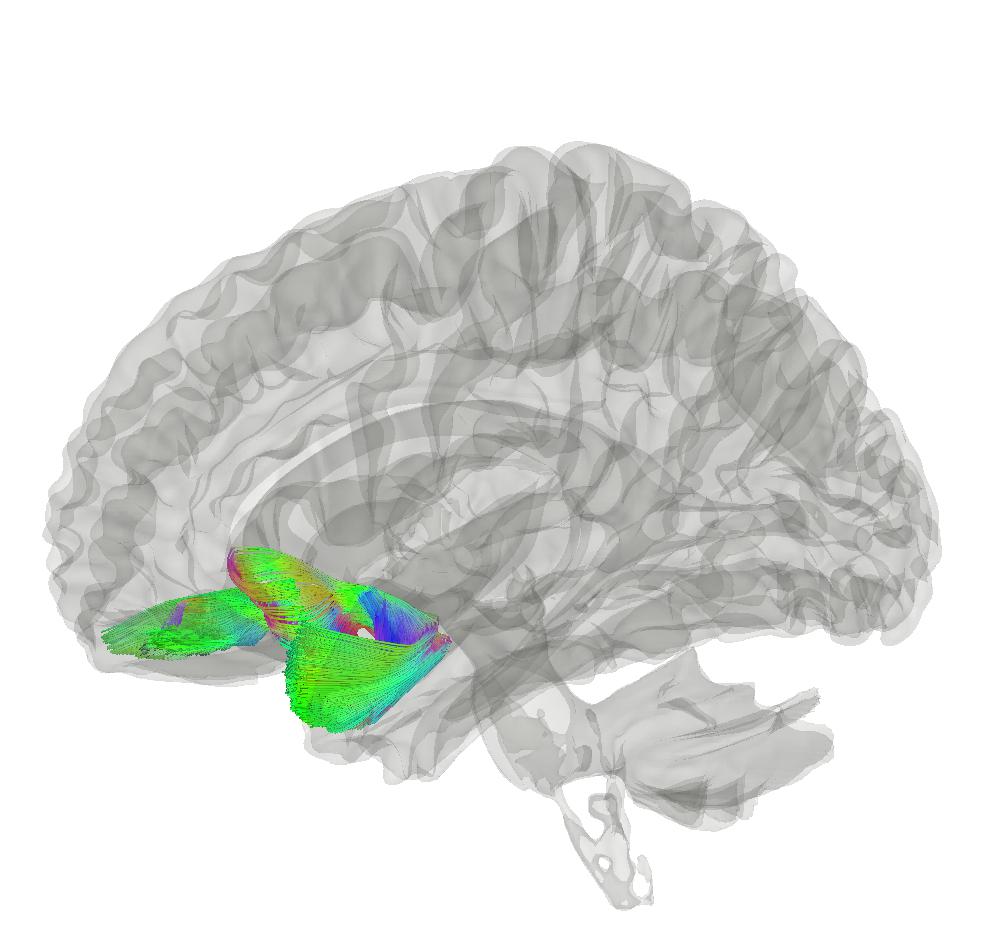
Adults aged 60–85 rotated seven essential oil scents for 2 hours nightly at bedtime over six months—achieving a 226% verbal memory gain alongside structural remodeling in the uncinate fasciculus.
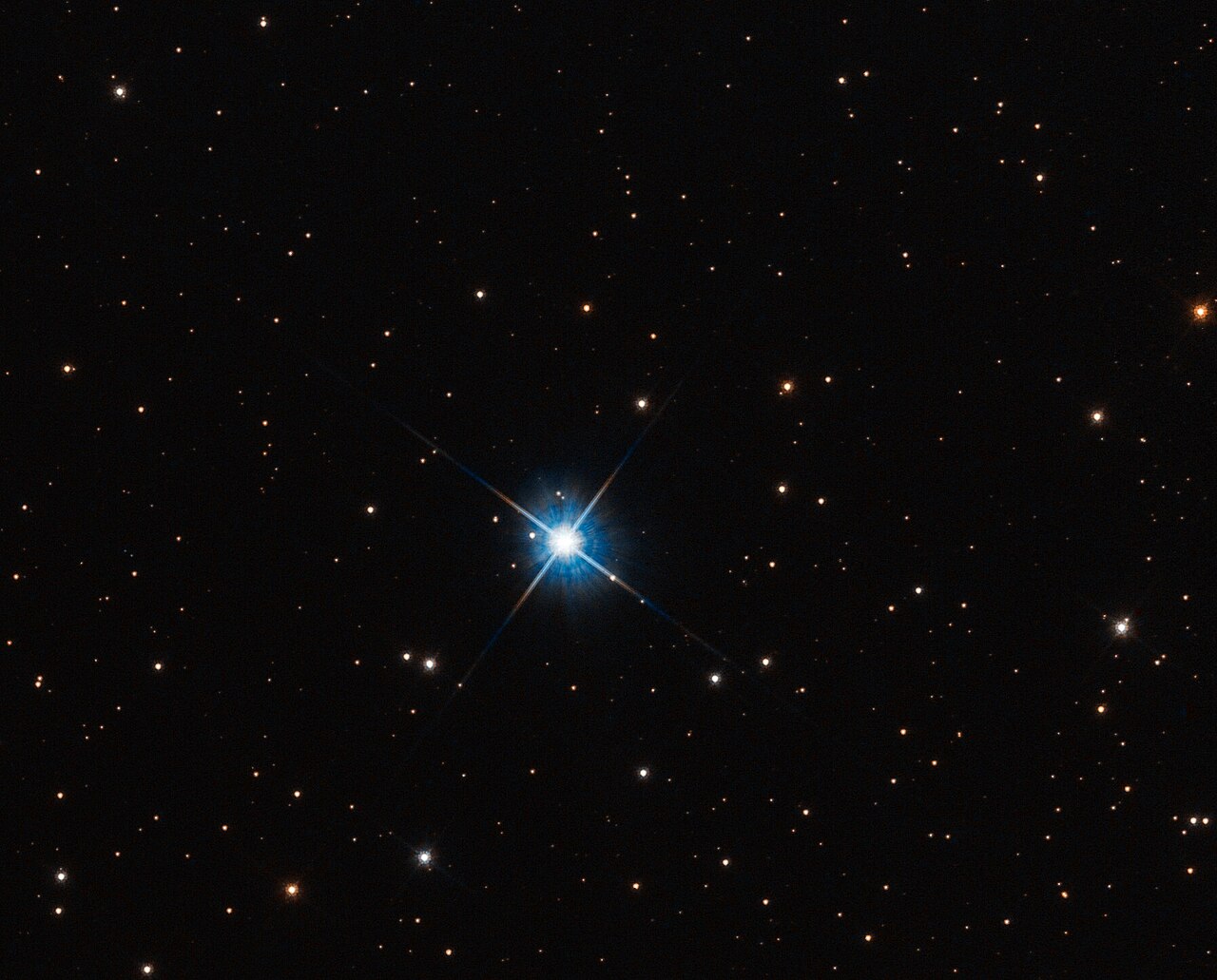
Guided by Gaia’s proper-motion forecast, Hubble measured the general-relativistic light deflection of a background star behind LAWD 37—weighing an isolated white dwarf directly for the first time.
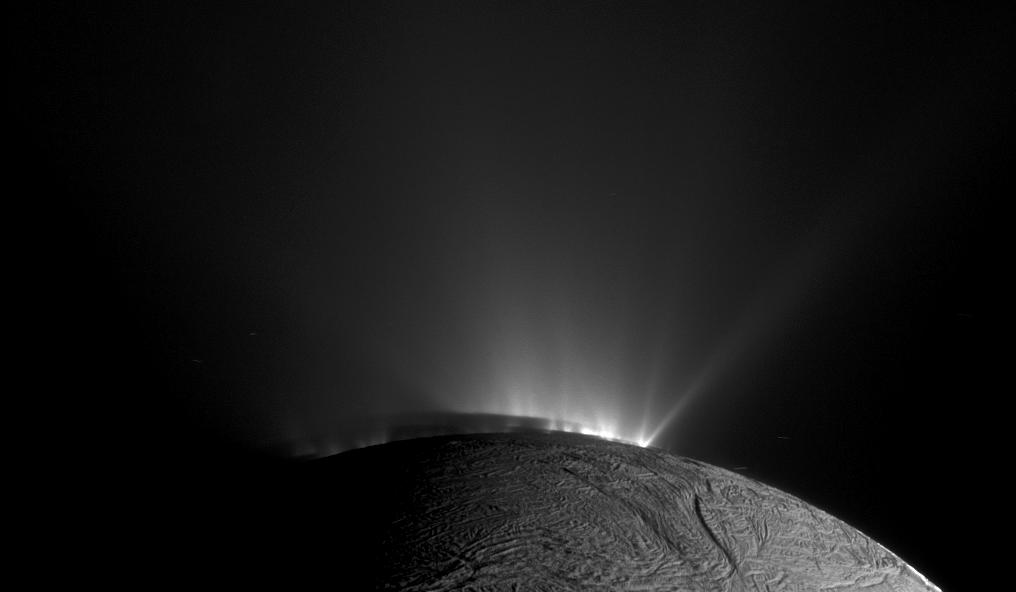
Cassini’s Cosmic Dust Analyzer sampled 345 E-ring ice grains ejected from Enceladus—identifying sodium orthophosphates at concentrations hundreds of times above Earth’s oceans and completing CHNOPS habitability.
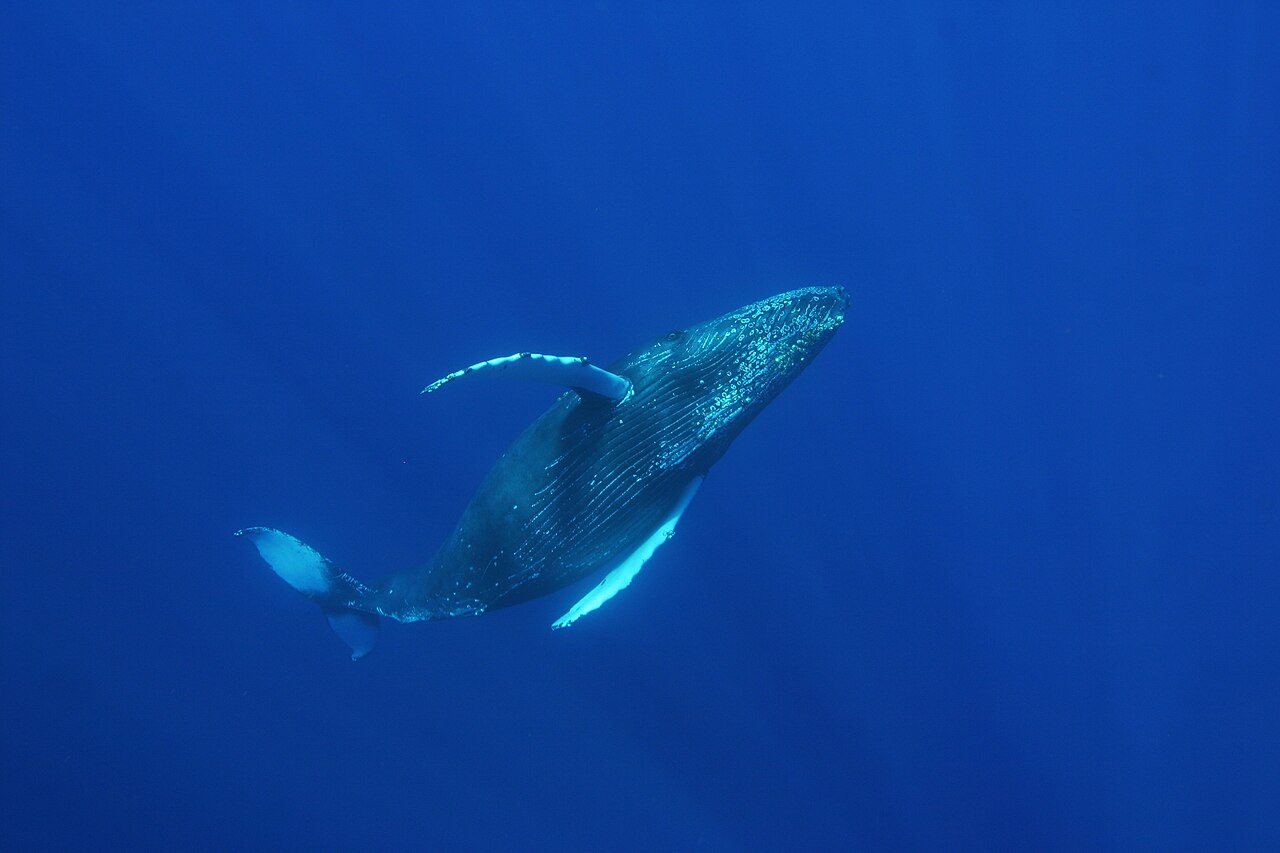
Why singing humpback whales raise their vocal source levels to overcome natural wind noise—yet fail to compensate for passing ships—paired with reef fish choruses and comodulation masking release.
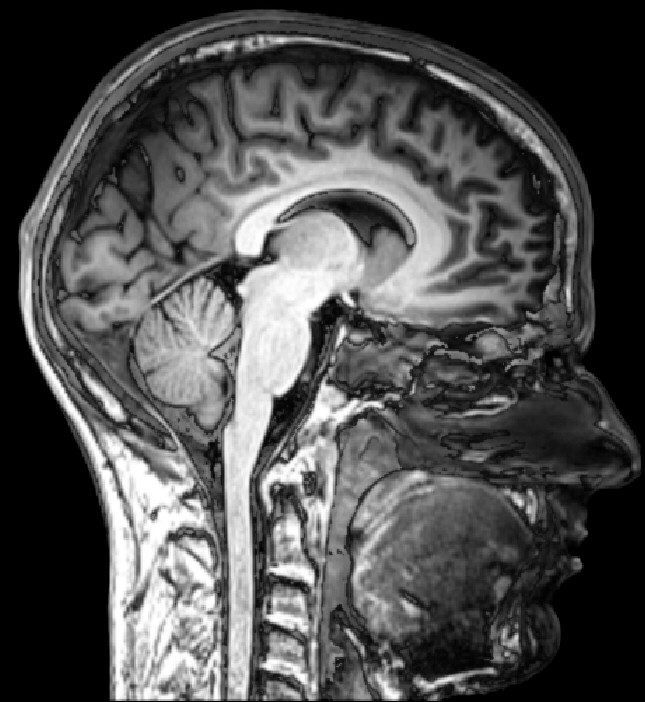
Direct ambulatory brain recordings across months reveal sustained orbitofrontal cortex biomarkers that decode real-world chronic pain—contrasting sharply with transient evoked acute pain signatures in the anterior cingulate.
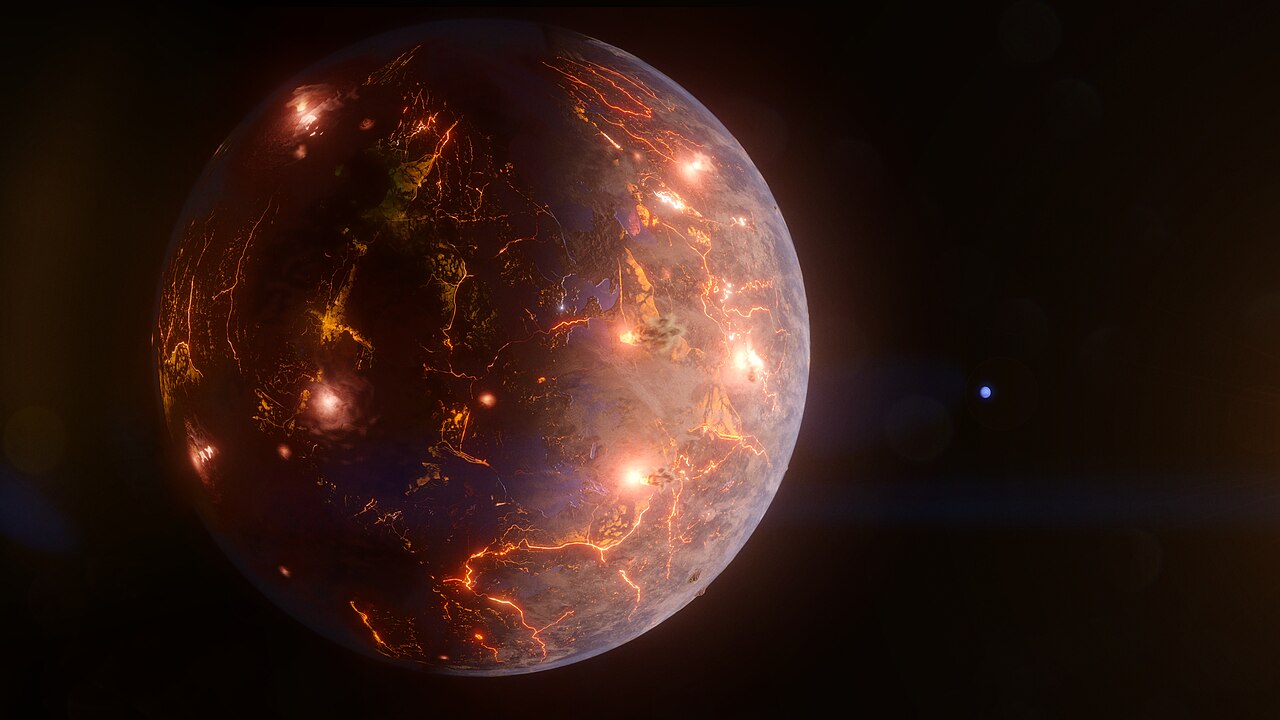
Revealed by NASA’s TESS and Spitzer telescopes, Earth-sized LP 791-18d experiences gravitational tugs from neighbor sub-Neptune c that maintain orbital eccentricity—driving tidal flexing and active mantle volcanism.
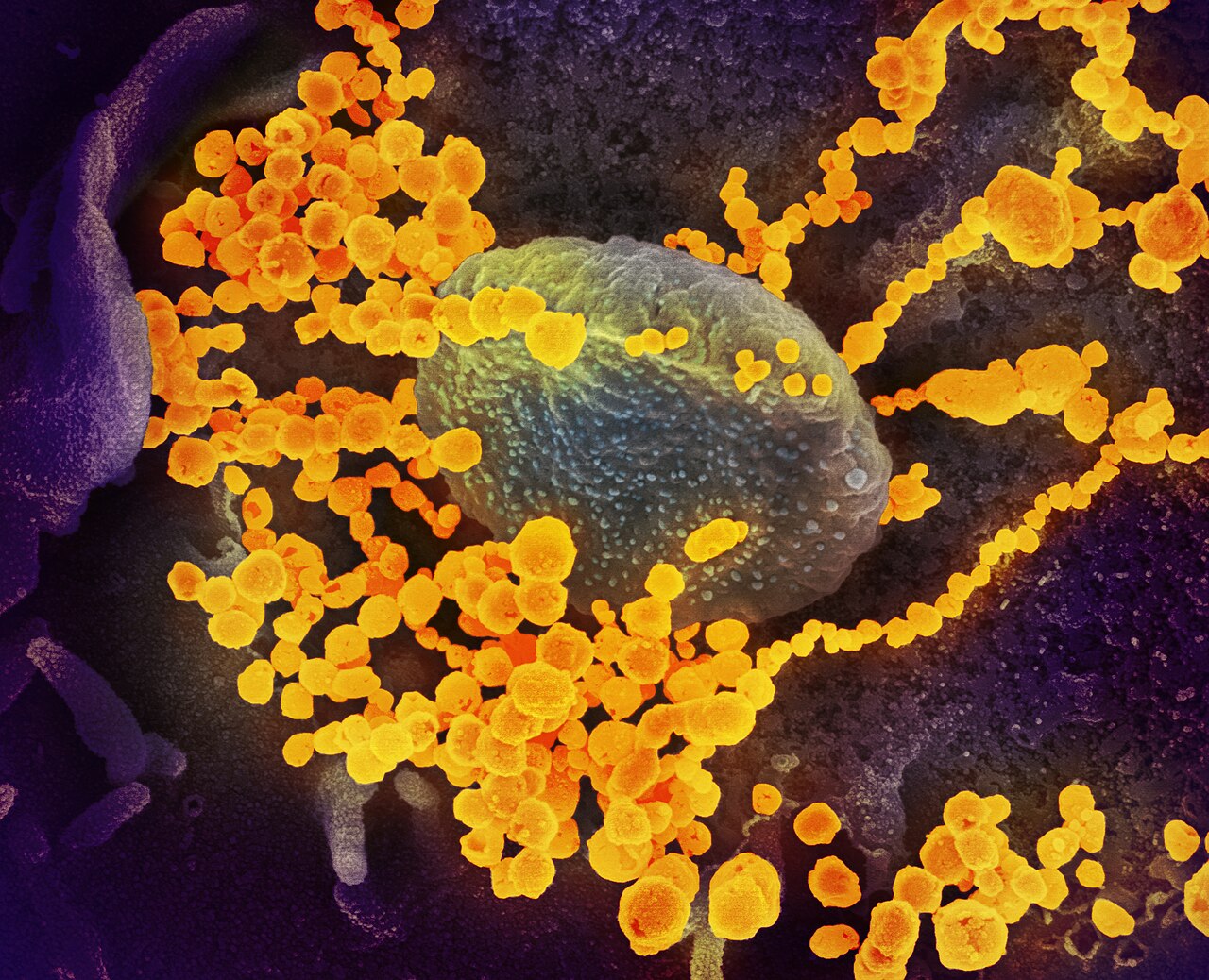
Examining the May 2023 JCEM matched cohort study evaluating serum 25(OH) vitamin D levels six months after hospitalization—especially among patients reporting neurocognitive symptoms.
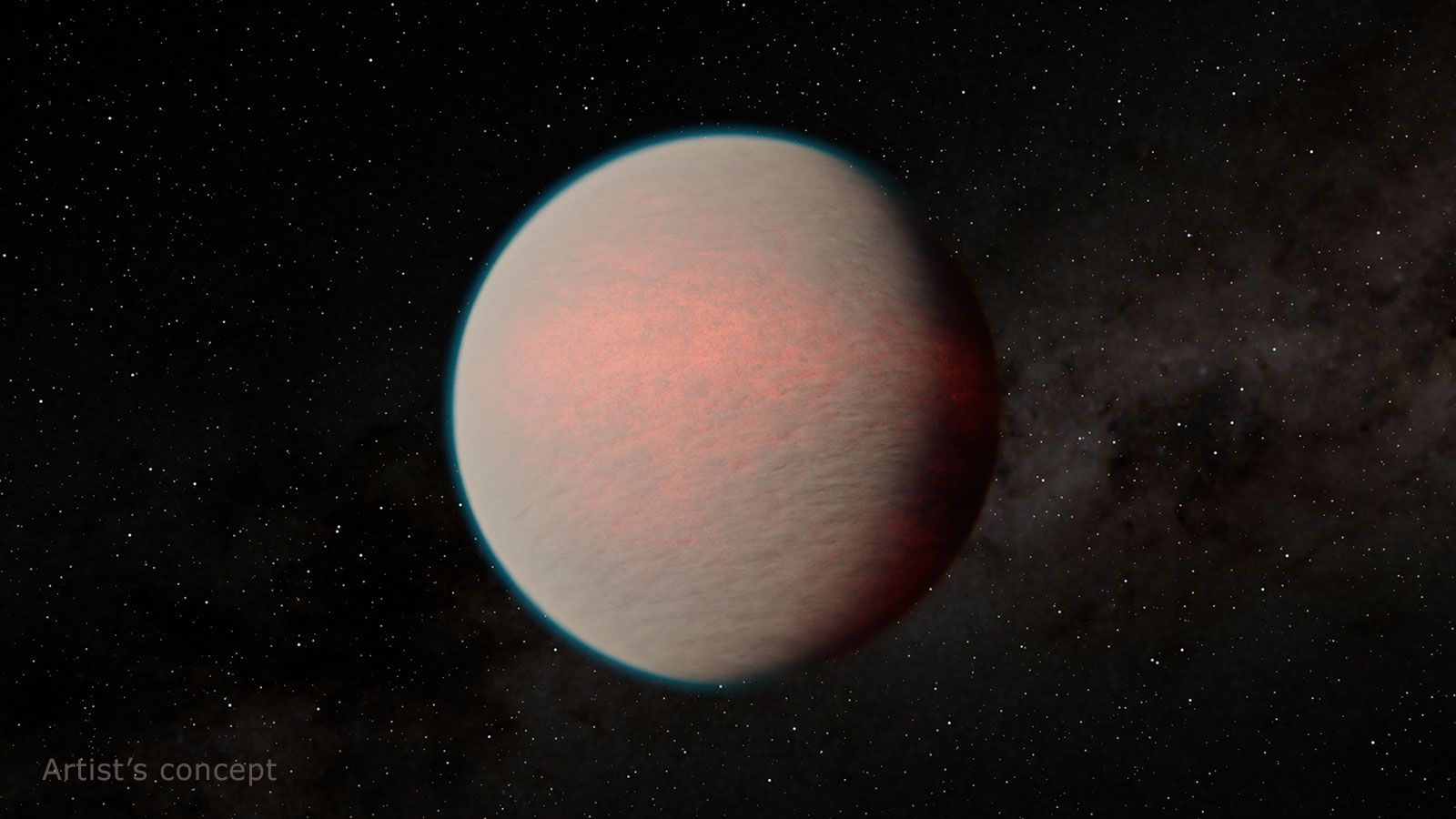
Examining the 4.56-billion-year-old chondrite meteorite that crashed through a New Jersey roof, alongside Kepler's Supernova (SN 1604) and JWST's breakthrough atmospheric exploration of sub-Neptune Gliese 1214 b in Ophiuchus.
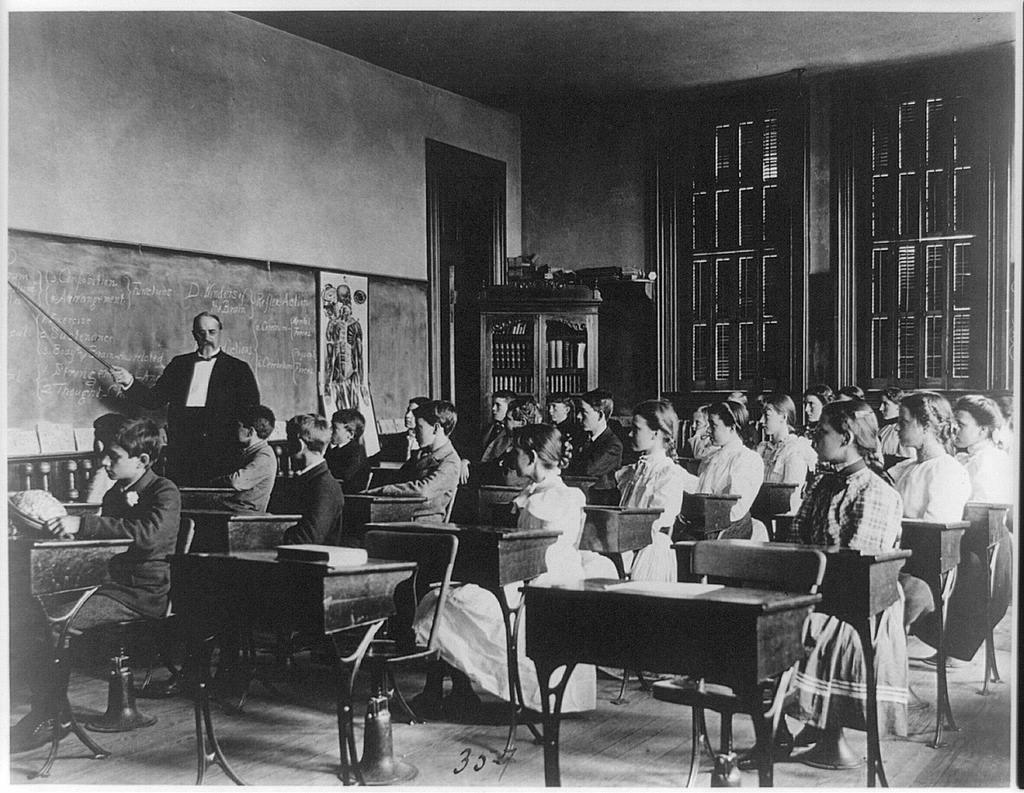
Analyzing the 58-year Project TALENT follow-up by Columbia University: how adolescent high school quality—especially teacher graduate training—permanently reshapes cognitive trajectories and postpones clinical dementia onset.
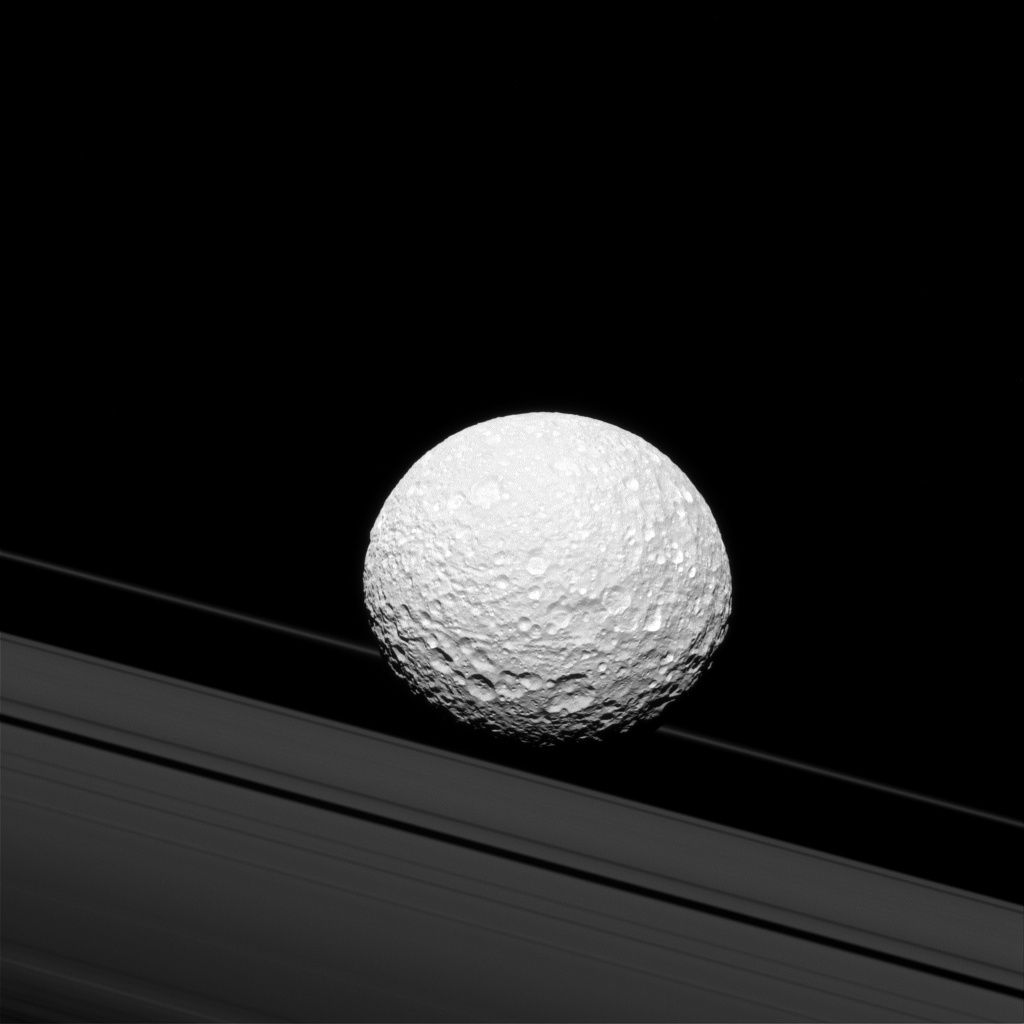
May 10th 2023 Struggle Stream investigating how Cassini's 44-milliradian libration measurement proved Saturn's heavily cratered moon Mimas harbors an insulated subsurface liquid ocean, alongside a dual-target CRISPR protocol eliminating latent HIV.
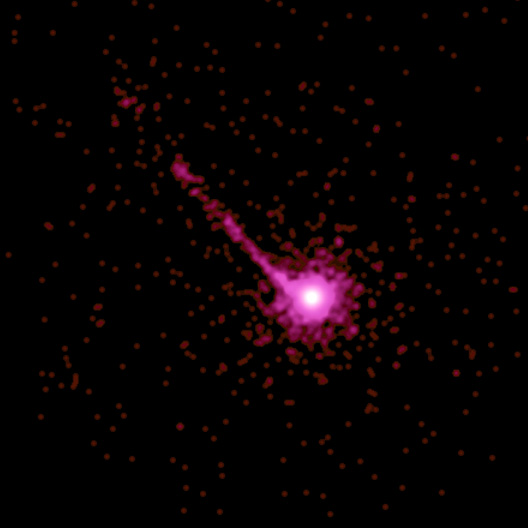
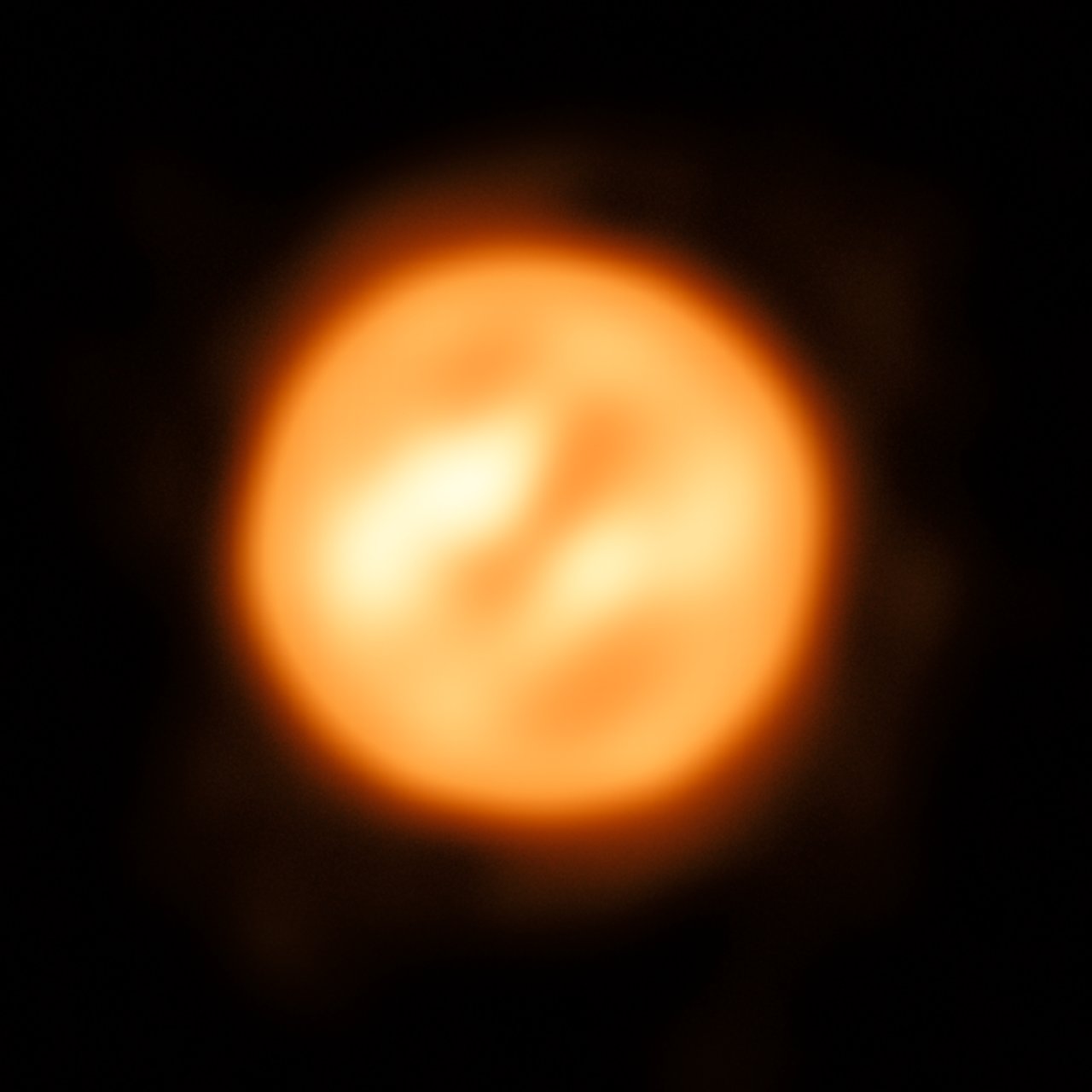
Responding to a question about the red shift of a quasar: cosmological metric expansion, photon wavelength elongation across 8.55 billion years, and Chandra X-ray observations of a million-light-year relativistic jet.
Cameron Hoppe
Published May 9, 2023
Landmark Denmark National Registry epidemiology (Hjorthøj et al., 2023) tracking 6.9 million individuals to uncover why cannabis use disorder drives a five-fold higher population attributable risk for schizophrenia in young males versus young females.
Cameron Hoppe
Published May 9, 2023
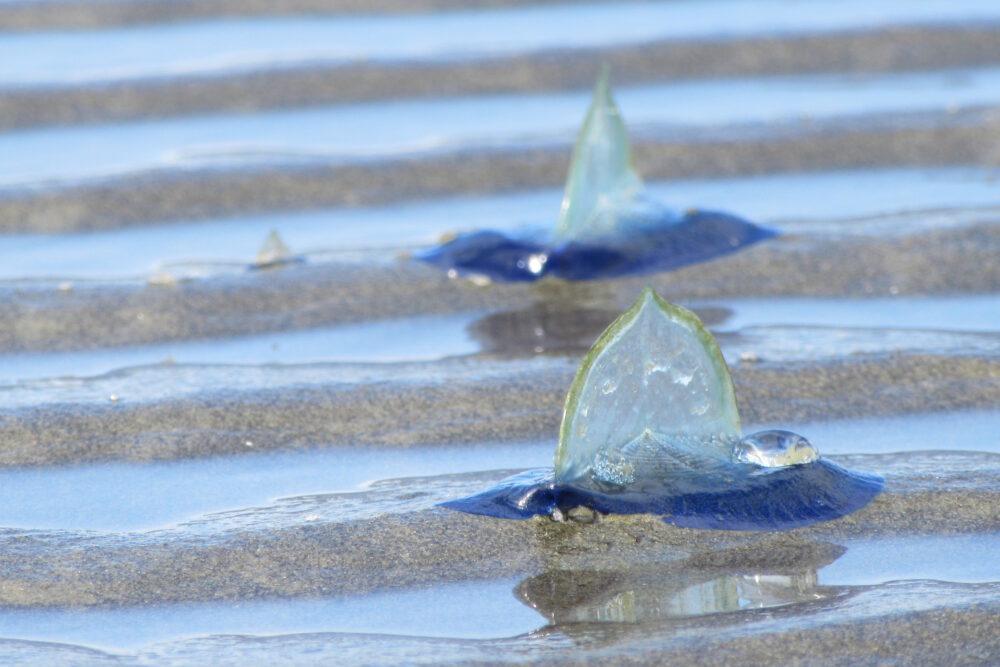
Live research session exploring Velella velella hydrodynamic sail mechanics and California beach strandings, Seyfert galaxy UGC 4211's dual supermassive black hole collision, and quasar ignition conditions.
Cameron Hoppe
Published May 3, 2023
Longitudinal Medicare epidemiology demonstrates how chronic exposure to fine particulate matter ($PM_{2.5}$), $NO_2$, and ozone ($O_3$) damages the blood-brain barrier and triggers late-life vascular depression.
Cameron Hoppe
Published Mar 6, 2023
The stellar evolutionary pathway of solar-mass stars from red giant expansion and helium flash to planetary nebula ejection and degenerate white dwarf cooling.
Cameron Hoppe
Published Mar 6, 2023
Matching visual strobe flicker to individualized alpha-wave troughs accelerates perceptual learning and pattern discrimination in adults by over 300%.
Cameron Hoppe
Published Feb 3, 2023
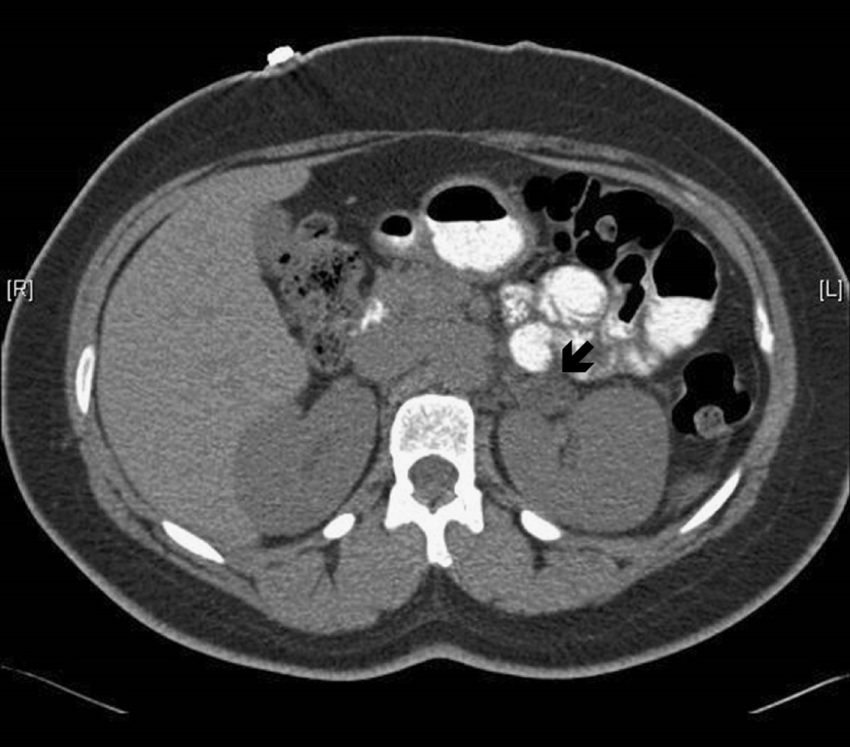
Targeted laparoscopic ablation of aldosterone-secreting adrenal adenomas using C-11 metomidate PET-CT scans to cure primary aldosteronism and secondary hypertension.
Cameron Hoppe
Published Jan 29, 2023
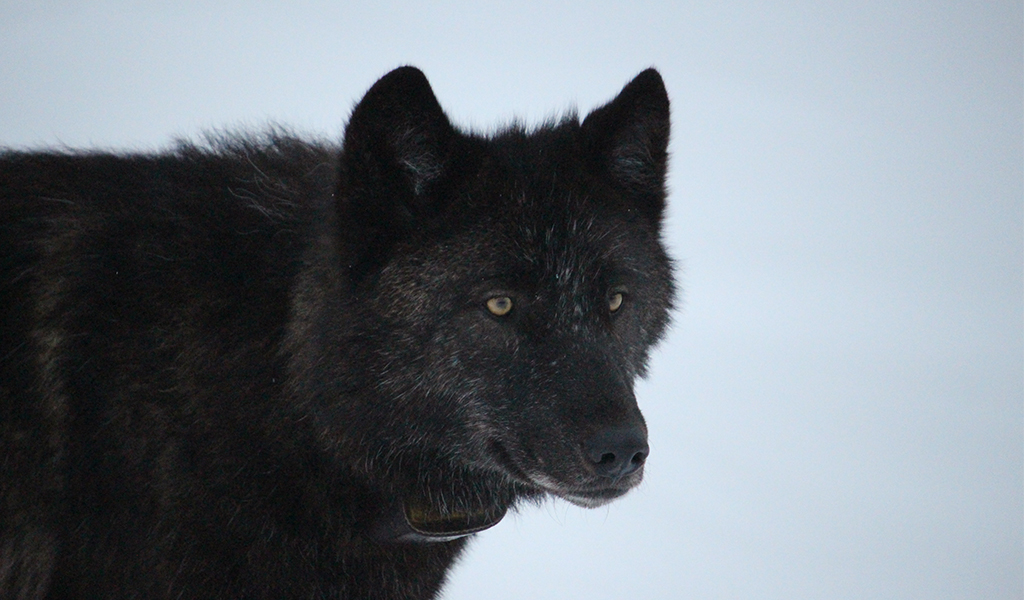
A 33-year empirical study across Yellowstone, Grand Teton, Voyageurs, Yukon-Charley Rivers, and Denali reveals the mathematical balance of wolf pack persistence under anthropogenic mortality vs natural turnover.
Cameron Hoppe
Published Jan 17, 2023
Showing 3 of 65 archived dispatches in timeline
6 randomized inquiries pulled from the archive • Discover scientific paradoxes across disciplines
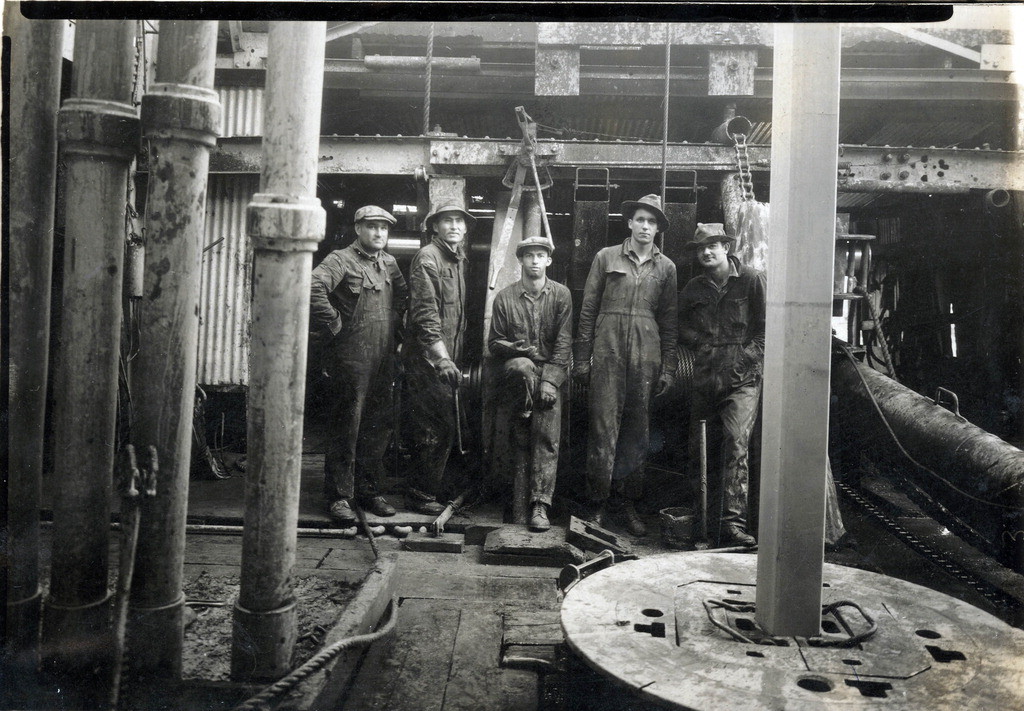
Quantitative deconstruction of the hydraulic fracturing boom, drilling rig efficiency gains, and labor productivity decoupled from crude volume over 36 years.
Mathematical modeling of information containment, Poisson probability distribution of leaks, and the exponential decay of secrecy across large human organizations.
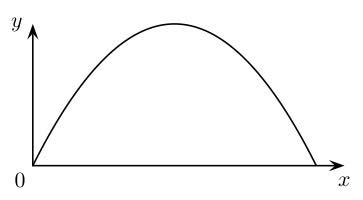
Why the Moon's true path around the Sun has zero loops and is strictly convex everywhere. An interactive Three.js 3D WebGL voyage resolving the solar gravity paradox.
Cambridge University research proving that synchronizing visual strobe flicker to individualized alpha-wave troughs accelerates pattern learning by over 300%.
Targeted laparoscopic ablation of aldosterone-secreting adenomas using C-11 metomidate PET-CT scans to cure primary aldosteronism and secondary hypertension.
The stellar thermodynamic pathway of solar-mass stars from red giant expansion and helium flash to planetary nebulae and degenerate white dwarf cooling.